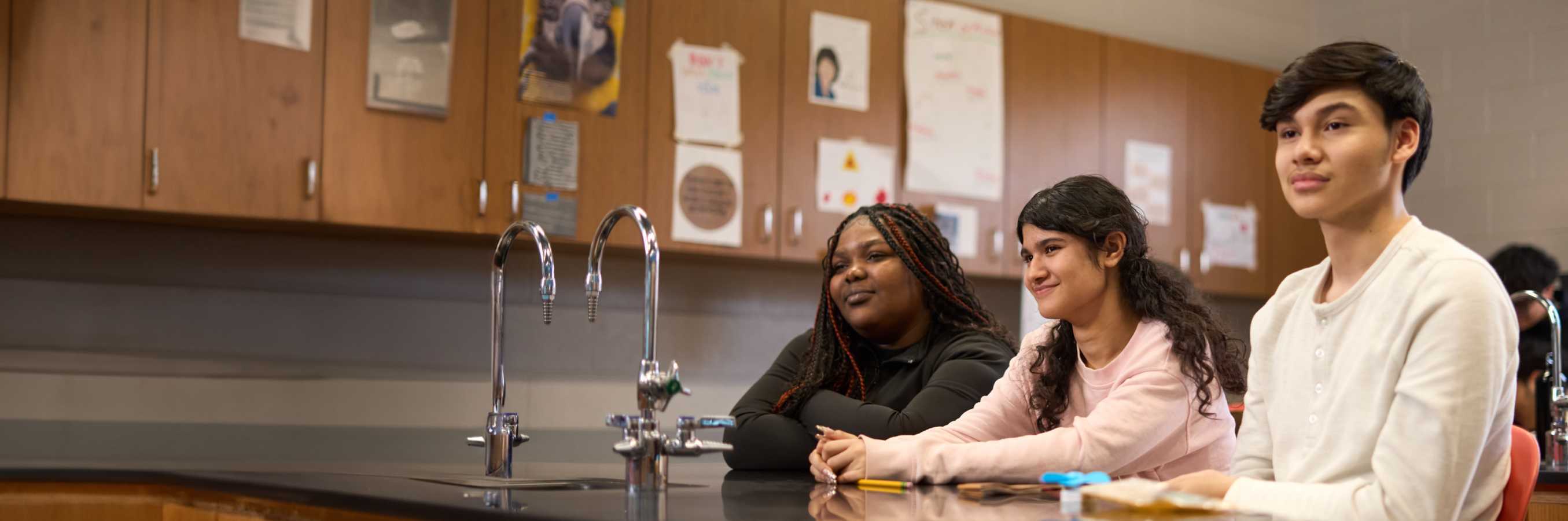
Engineering Tomorrow labs

Building the next generation of engineers by igniting curiosity in your classroom.

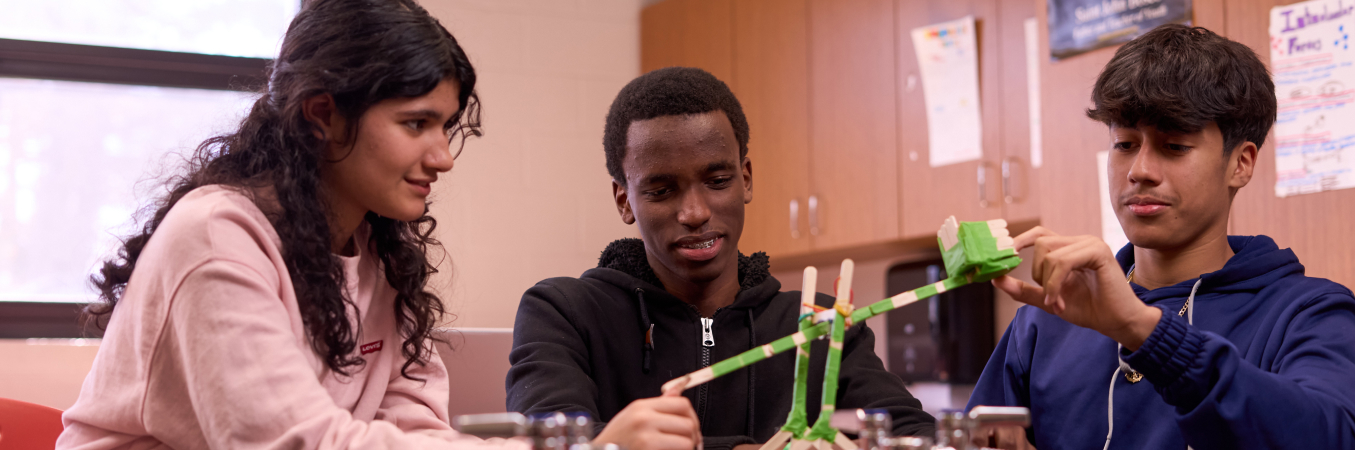
Give your students a hands-on introduction to engineering.

Our labs simulate real-world projects designed by expert engineers so students gain unique insight and understanding into the world of engineering—all at no cost to your school.

Explore lab opportunities that align with your teaching goals.

How our labs work

Join us for Lab Day events!
We also host live, virtual field trips called Lab Days where students can come together to be inspired and investigate topics in engineering. See full Lab Day schedule→

Why Engineering Tomorrow
Labs are always conducted with no cost to schools, teachers, or students.
Hands-on activities get students excited and keep them engaged.
Labs are designed and delivered by professional engineers.

Ready to inspire a passion for engineering in your students?

Unlock opportunities for students all over the country.


Want to help us inspire students in STEM?

Airplane Design & Optimization

In this lab, students are introduced to the forces that an airplane experiences in flight. They will try to maximize the lift of their paper airplane designs and optimize lift to drag ratios to complete the distance or flight time challenges. Students should use the skills learned in this lab to design an accurate and precise paper airplane model.

See full lab

Algorithms & Machine Learning

Applied Machine Learning with Catapults

Students are introduced to the concept of machine learning and the iterative engineering design process through the design, construction, and testing of a catapult. They will then experiment with the catapult in order to develop a mathematical model that can be used to make predictions of how the system will perform.

See full lab

Exploring Space & Developing Launch Vehicles

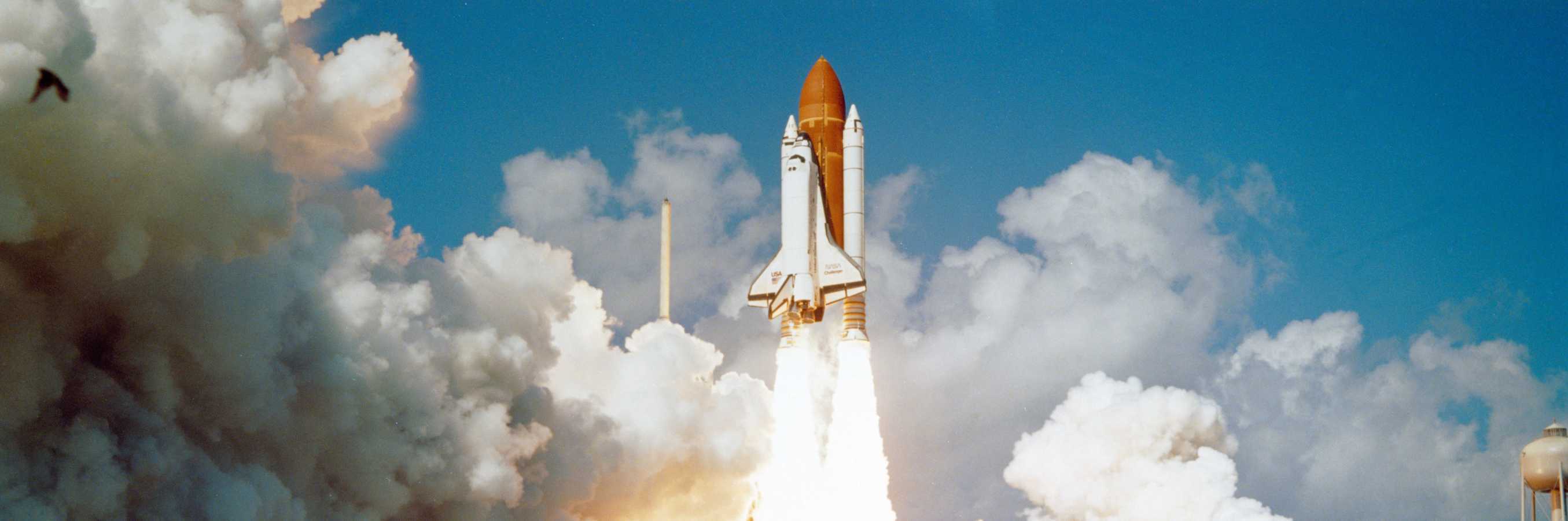
In this lab, students are introduced to spacecraft, launch vehicles, and orbits. They will use simulations to test and explore physics and vehicle design. They will also analyze the design of rockets through testing and iterating a balloon rocket.

See full lab
Join our Lab Day event!

Andre Douglas

Active Astronaut

December 4, 2025

Schedule now

Using Light to Cure Disease

This lab will allow students to play the role of a biomedical engineer. They will learn about sunlight, and its characteristics, as well as some characteristics of the human body. Using this knowledge they will critically think in order to discover a treatment for Grover’s disease.

See full lab
Join our Lab Day event!

Dr. Erica Hartmann

Associate Professor, Civil and Environmental Engineering

October 23, 2025

Schedule now

Building Structures That Last

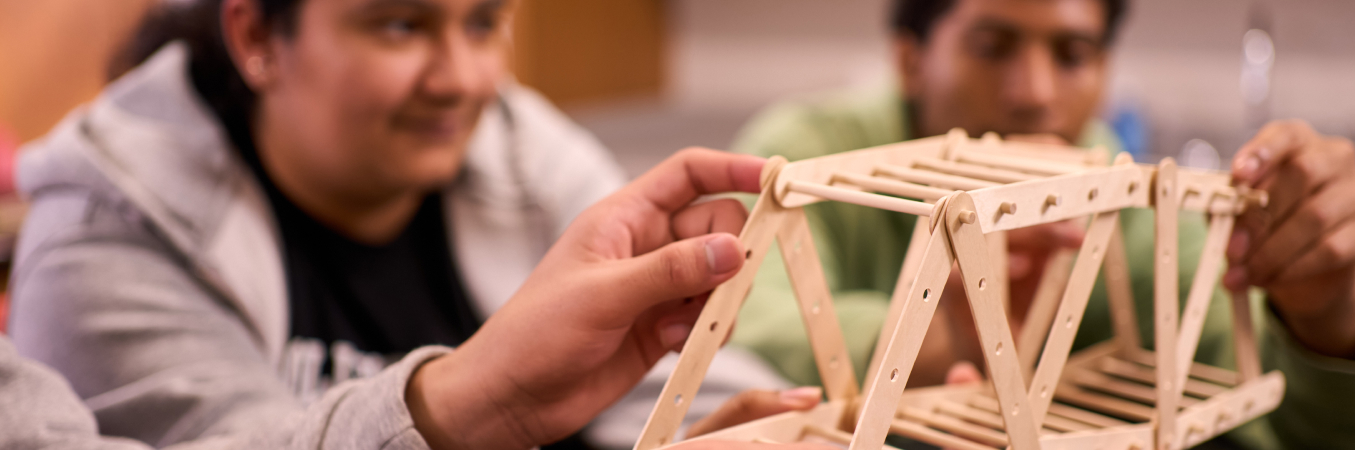
This task has students discover and learn about the scientific and real-world aspects of bridges. Students will explore and design their own bridges.

See full lab

Filtration Systems & Water Conservation

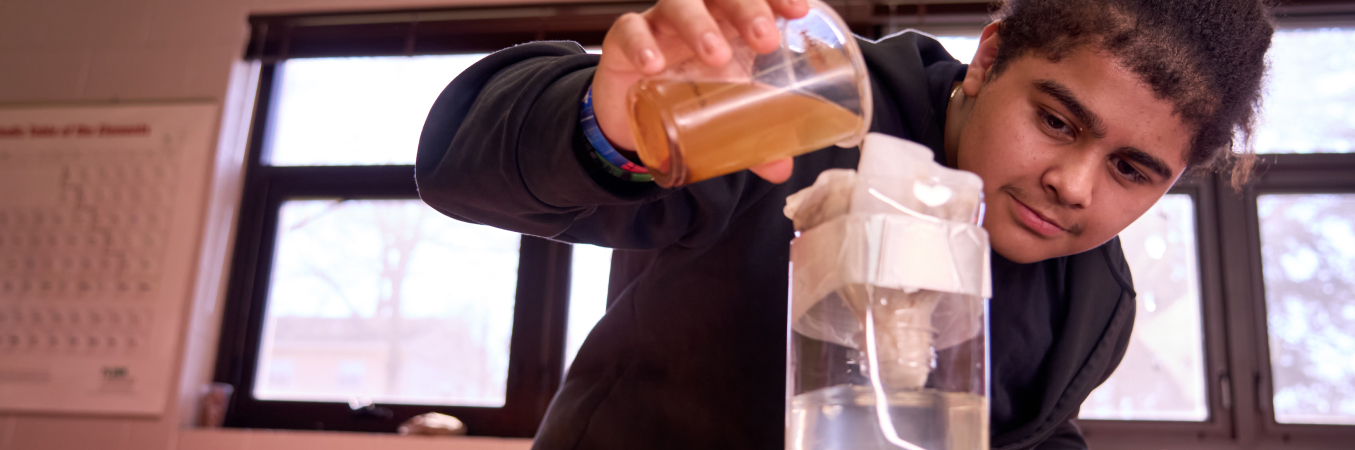
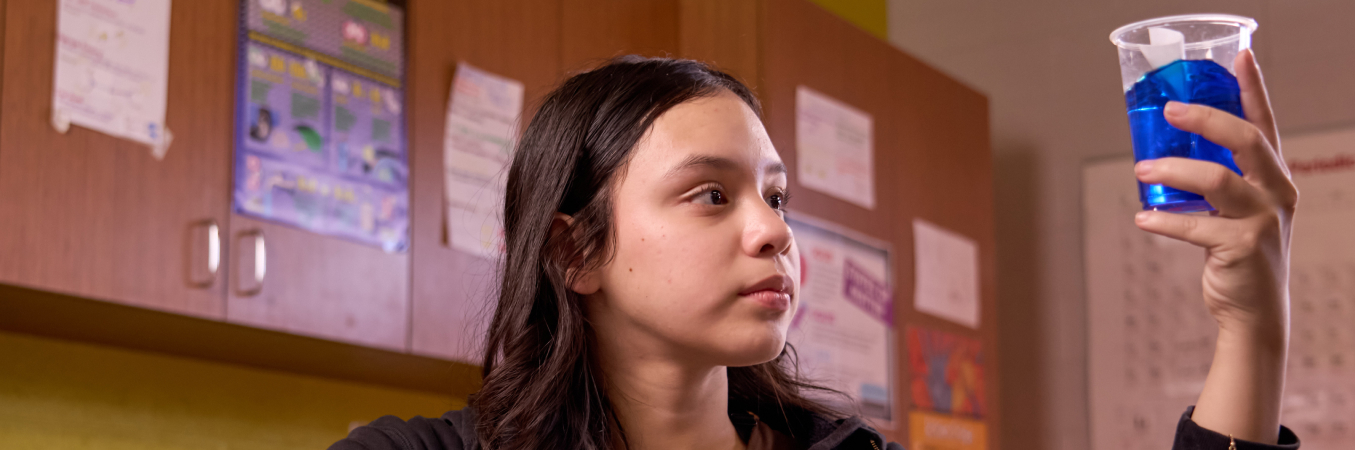
Students will learn about the water treatment process. By applying the fundamentals of wastewater treatment in order to design a small-scale filtration system, students will assess how effectively their designs produce “cleaner” water.

See full lab

Protecting Data with Encryption

In this lab, students are introduced to cybersecurity. They will learn about topics including phishing attacks, malware, hacking, artificial intelligence, and more. The activity will involve practice with different encryption techniques and ways to hide information from hackers.

See full lab

Building & Racing Your Own EV

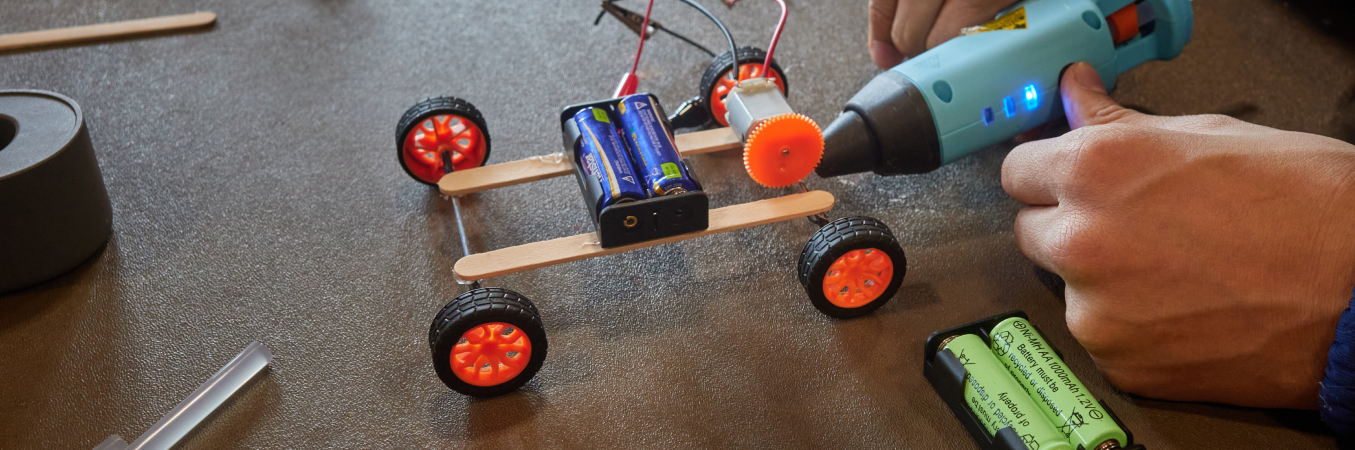
In this lab, students are introduced to the history, development, and design features of electric vehicles. Students will learn how to build their own electric vehicle and gain an understanding of this burgeoning technology.

See full lab

Diagnosing Disease with Bioinformatics

In an era of DNA sequencing and new molecular biology techniques, scientists have become inundated with biological data. The interdisciplinary field of bioinformatics combines biology, computer science, mathematics, and statistics to overcome this challenge by creating methods of analyzing the wealth of biological data publicly available in databases, such as UniProt and NCBI.

In this lab, students will receive a hands-on introduction to this cutting-edge field, learning the importance of using novel technologies to diagnose and treat diseases with a genetic basis. Using a brief list of symptoms and their newfound knowledge regarding bioinformatics, students will diagnose two patients, Patient X and Patient Y, while compiling information about the proteins involved in their respective diseases.

See full lab

Exploring Hydrogen Power & Electrolysis

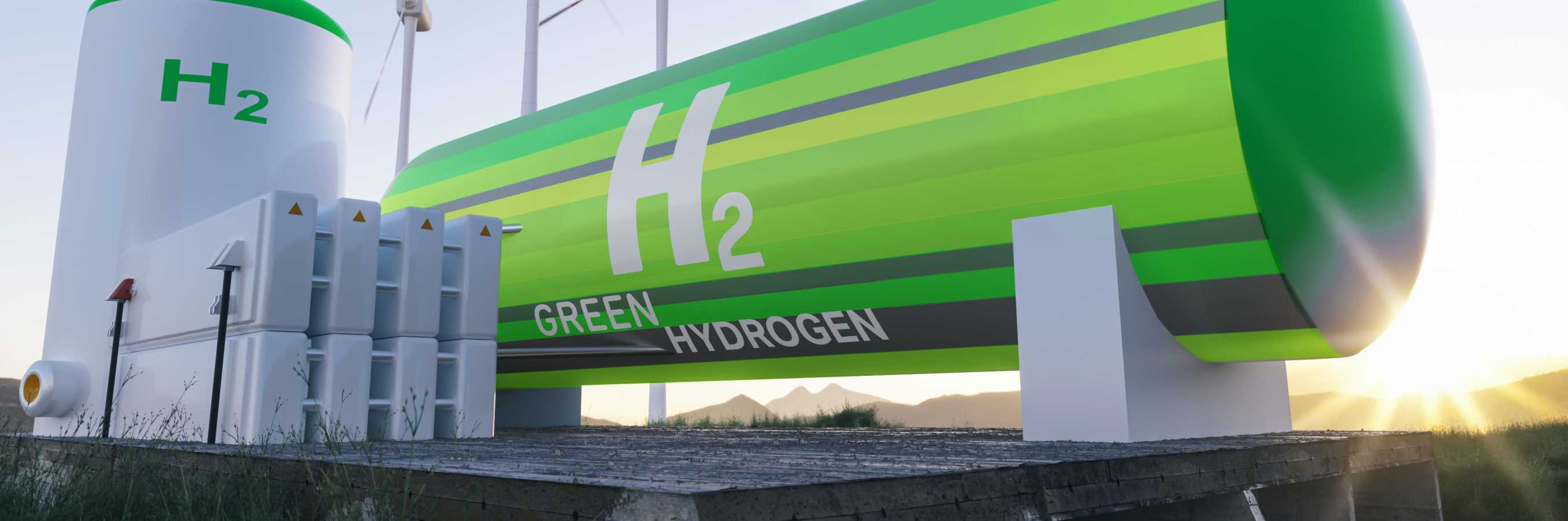
In this lab, students are introduced to some of the major impacts of climate change and presented with a way to lessen its effects. They will learn how engineers can help to decarbonize the world economy and what role green hydrogen can play. Students will apply chemistry techniques to build an electrolysis cell in order to produce their own green hydrogen.

See full lab

Learning the Physics of Impact

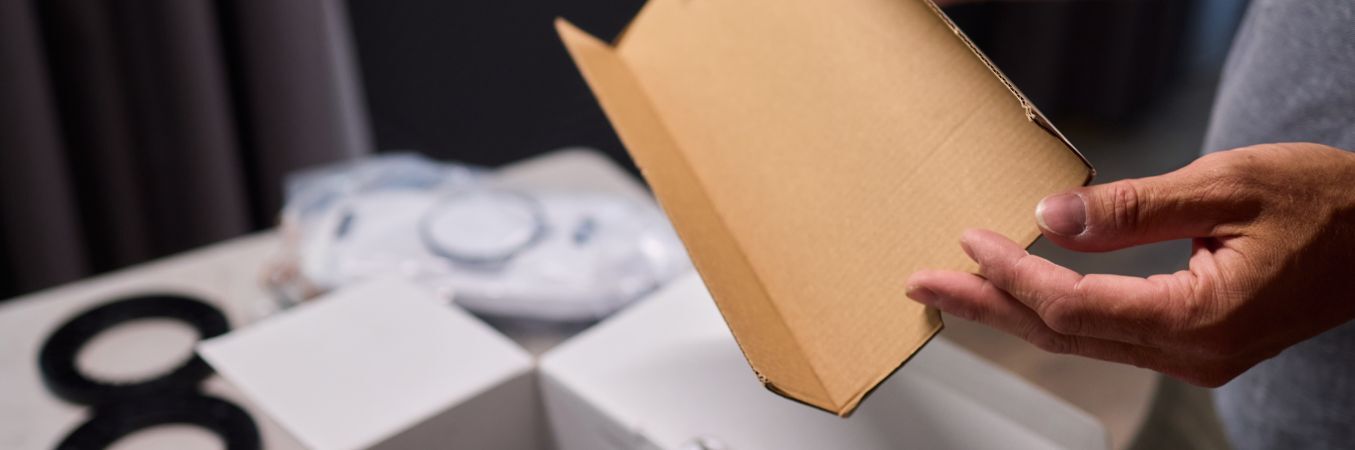
In this lab, students will explore the world of packaging engineering by learning how everyday items are protected on their journey from production to the consumer. They’ll uncover the science behind cushioning and impact, seeing how different materials and structures absorb force. 

Along the way, they’ll connect concepts from physics, material science, sustainability, and even marketing to understand the full picture of packaging design. Finally, students will take on a hands-on challenge: creating their own package to protect a potato chip, testing its durability, and evaluating how well their designs balance protection, cost, and environmental impact.

See full lab

Designing & Producing Effective Medicines

In this lab, students will learn about the process of drug delivery in the body. By applying fundamentals of transport via diffusion across membranes and pharmaceutical drug encapsulation, students will design a small-scale staged release drug delivery system. Students will assess how effectively they can utilize various materials to encase differently colored tablets in water to stage their release of color in an order predetermined by the student.

See full lab

Decontaminating and Restoring an Environment

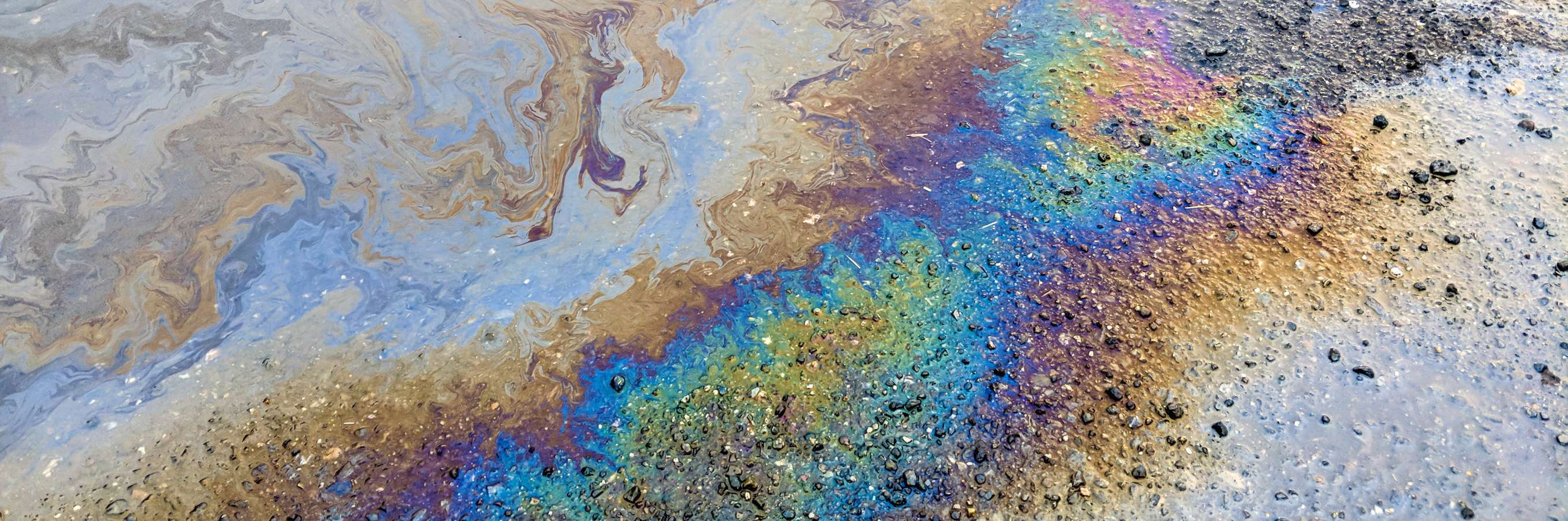
In this lab, students will learn how engineers from different disciplines work together to monitor and clean up sites that have become contaminated by pollutants. Using the engineering design process, students will model an oil spill and conduct experiments using different clean up techniques they learn about in the lab.

See full lab

Building Solar & Wind Systems

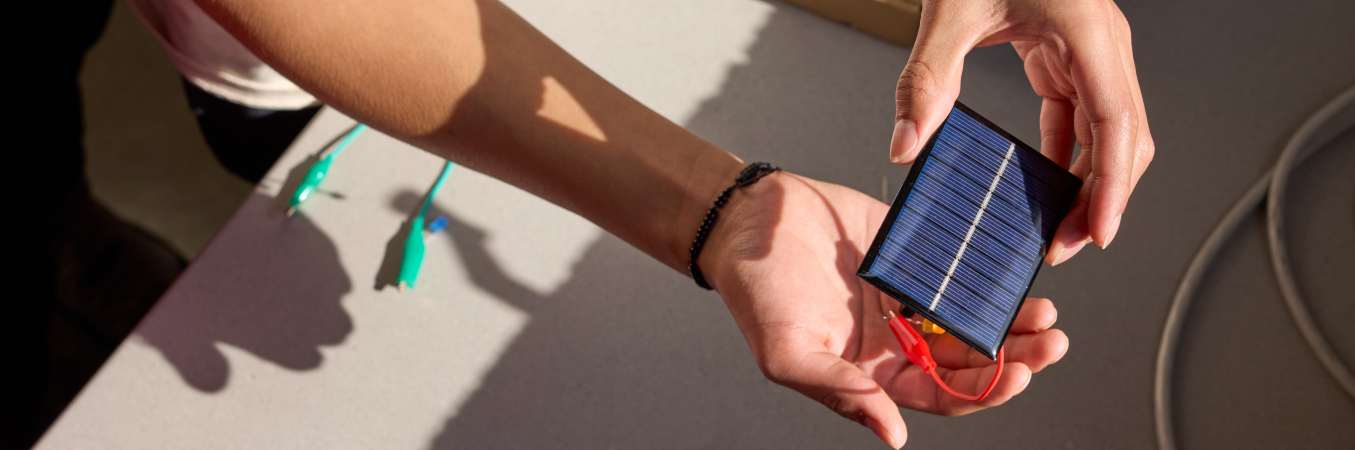
In this lab, students are introduced to renewable energy, where they will learn about the benefits of renewable energy sources in contrast to the dangers of non-renewable energy sources. Students will learn how to build their own solar-powered and wind-powered turbine prototype, while trying to keep their costs as low as possible. 

This reflects how today’s engineers work to lower the cost of renewable energy sources in order to make them more appealing to the public.

See full lab
Join our Lab Day event!

Dr. Ludmilla Aristilde

Professor, Civil and Environmental Engineering

November 6, 2025

Schedule now

Electroplating and Integrated Circuit Production

In this lab, students will learn about what semiconductors are and how they form the "brains" of all modern electronics. Students will also examine how integrated circuits (ICs) are built, examine the engineering design process as it applies to maximizing yield, and perform an electroplating experiment using Copper Sulfate.

See full lab

Building Programmable Electronics

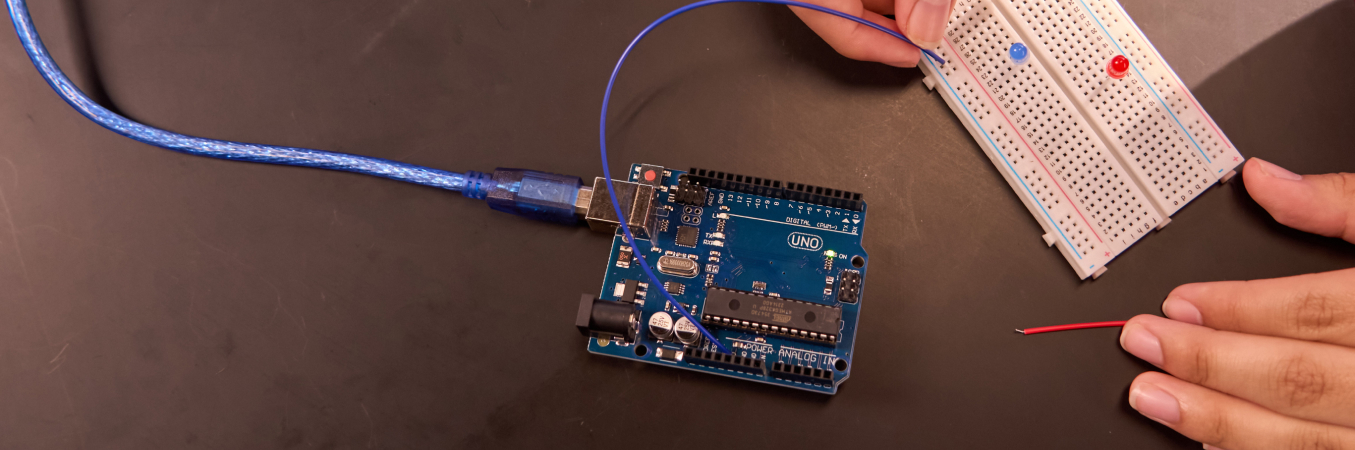
Students are introduced to the development and applications of embedded systems and taught how to make their systems using a TinkerCad simulation of the Arduino Uno device and the Arduino programming application.

See full lab

Mitigating Noise Pollution

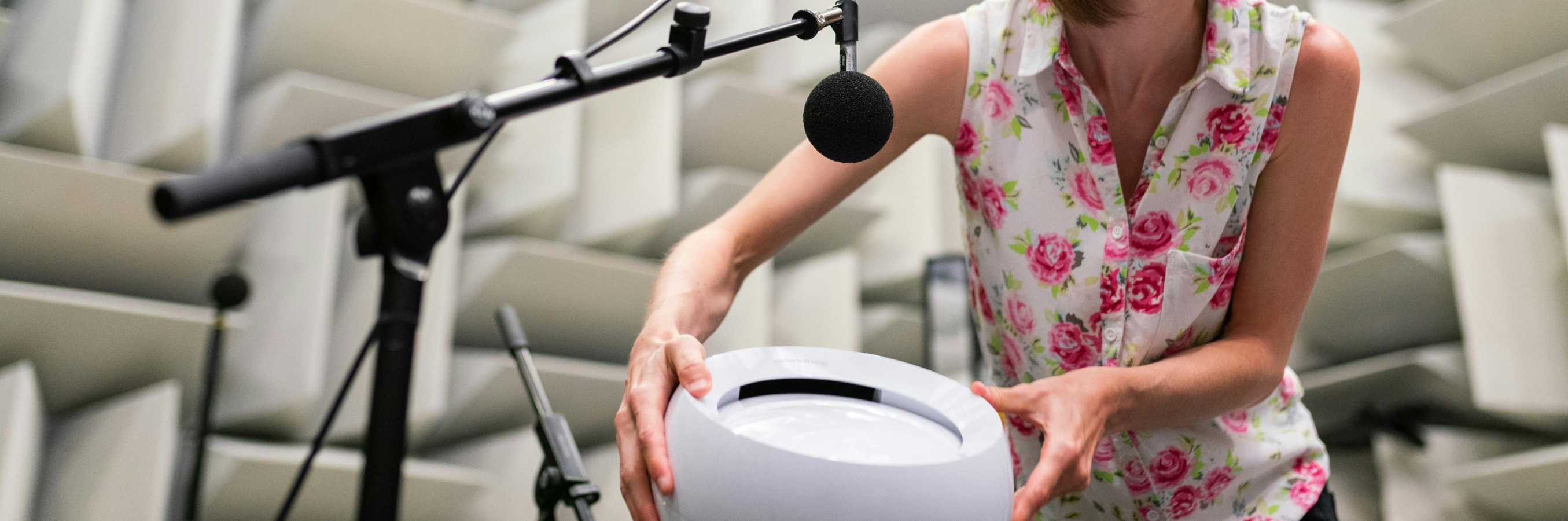
In this lab, students are introduced to the basics of sound, where they will learn about vibrations, frequency, pitch, and real world examples of how these affect our ears. The students will then conduct a lab experiment, trying to reduce the noise pollution of a certain sound.

See full lab